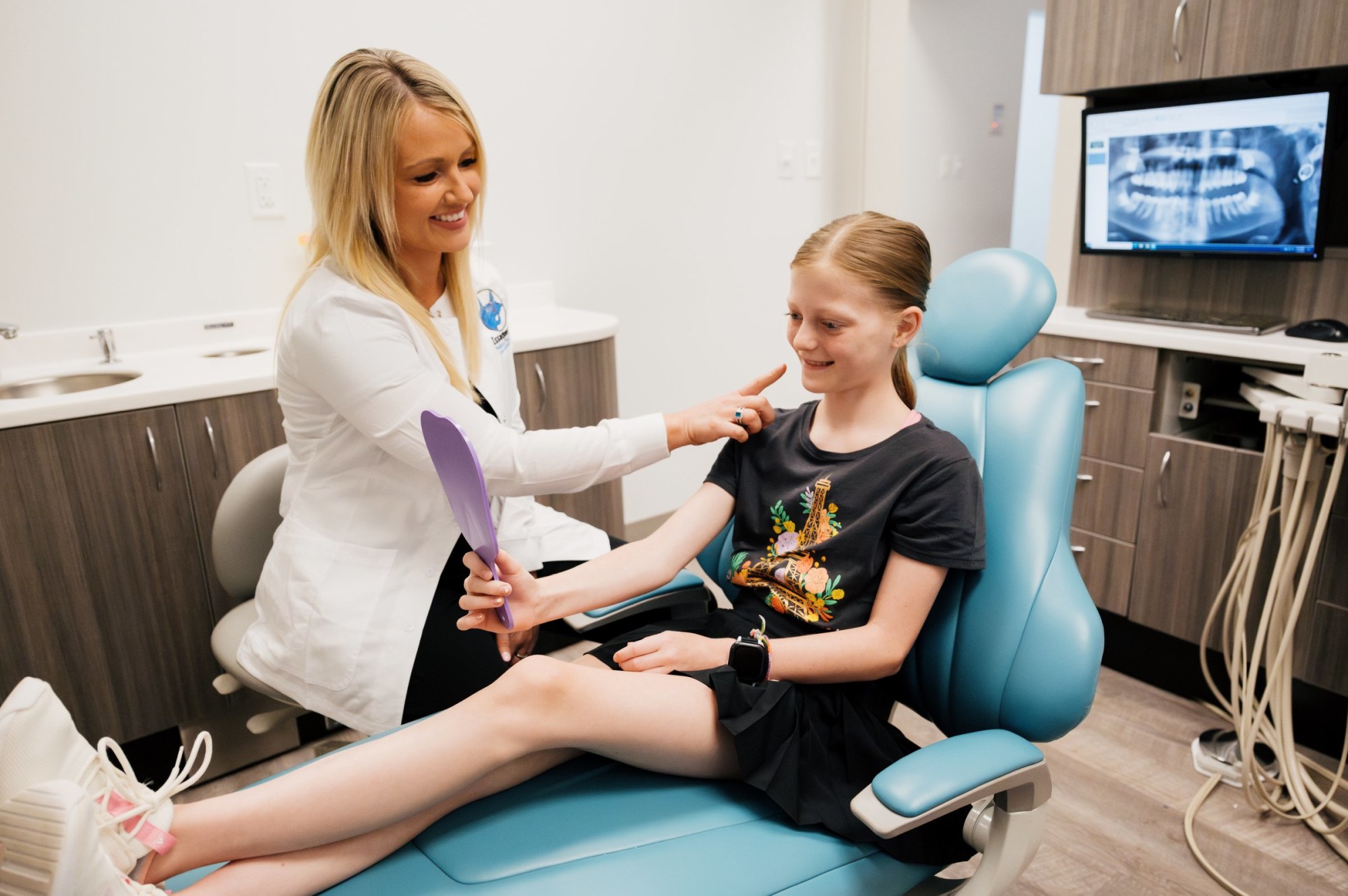

A Parent's Guide to Child Dental Anxiety and Sedation Safety
Dental Anxiety and Sedation Options for Children: A Parent’s Guide
A child who feels frightened at the dentist may cry, refuse to open their mouth, or become overwhelmed before treatment even begins. For parents, these experiences can be difficult to navigate, especially when their child needs dental care but previous appointments have been challenging.
Dental anxiety is common in children, and there are several ways to help. Sometimes, a slower pace, familiar surroundings, and age-appropriate communication are enough to make an appointment more comfortable. Other children benefit from additional support, including sedation.
At Issaqueena Pediatric Dentistry and Orthodontics, our board-certified pediatric dentists understand that every child responds differently to dental care. Dr. Horton and our team work with families across Seneca, Clemson, and Powdersville to understand each child's needs, build trust, and recommend an appropriate approach to treatment.
This guide explains why children experience dental anxiety, how pediatric dentists help, and when different sedation options may be considered.
Quick Takeaways
- Dental anxiety is common in children and can be influenced by age, unfamiliar surroundings, sensory sensitivities, or previous experiences.
- Pediatric dentists receive specialized training in child development and behavior guidance.
- Many children can receive treatment comfortably with techniques such as tell-show-do, positive reinforcement, and distraction.
- Sedation may be appropriate when anxiety, developmental readiness, medical needs, or extensive treatment make conventional appointments difficult.
- Options at Issaqueena include oral conscious sedation, IV sedation with a dedicated anesthesia provider, and hospital-based dental care.
- The appropriate approach depends on your child's health history, treatment needs, and individual response to dental care.
Why Are Some Children Afraid of the Dentist?
For young children, a dental office introduces several unfamiliar experiences at once: new people, unusual sounds, bright lights, and someone examining their mouth. Feeling uncertain or frightened in this environment is developmentally understandable.
As children grow, their concerns may become more specific. Some worry about discomfort, while others remember a previous appointment that felt overwhelming. Children may also pick up on the anxiety of family members who have had difficult dental experiences themselves.
Not every anxious child needs the same level of support. Mild first-visit nerves often improve as a child becomes familiar with the dental team and learns what to expect. More persistent anxiety may require additional visits focused on building trust or a different approach to treatment.
Understanding what makes your child uncomfortable helps us determine how to support them without unnecessarily rushing their care.
How to Prepare an Anxious Child for a Dental Visit
A little preparation at home can help your child feel more comfortable about an upcoming dental appointment. The goal is to help them understand what to expect in a way that feels manageable.
Start by talking about the visit using simple, positive language. Explain that the dentist will look at their teeth, count them, and help keep their smile healthy. Books or pretend dental visits with a favorite stuffed animal can also help younger children become familiar with the experience.
A few additional ways to support your child include:
- Keep explanations age-appropriate. Answer questions honestly without introducing unnecessary details that might increase anxiety.
- Avoid making promises about discomfort. Rather than saying nothing will hurt, reassure your child that the dental team will explain what they're doing and help keep them comfortable.
- Choose a suitable appointment time. Younger children may respond better when they're well-rested and not approaching their usual nap time.
- Let us know about previous experiences. If your child has struggled with dental visits, has sensory sensitivities, or needs additional support, sharing that information beforehand helps us prepare.
It's also helpful to acknowledge your child's feelings without reinforcing their fears. Let them know that feeling nervous is okay and that they can ask questions.
Preparation doesn't guarantee that every appointment will be easy, but it can create a more familiar and supportive starting point.
How a Pediatric Dentist Helps Children Feel More Comfortable
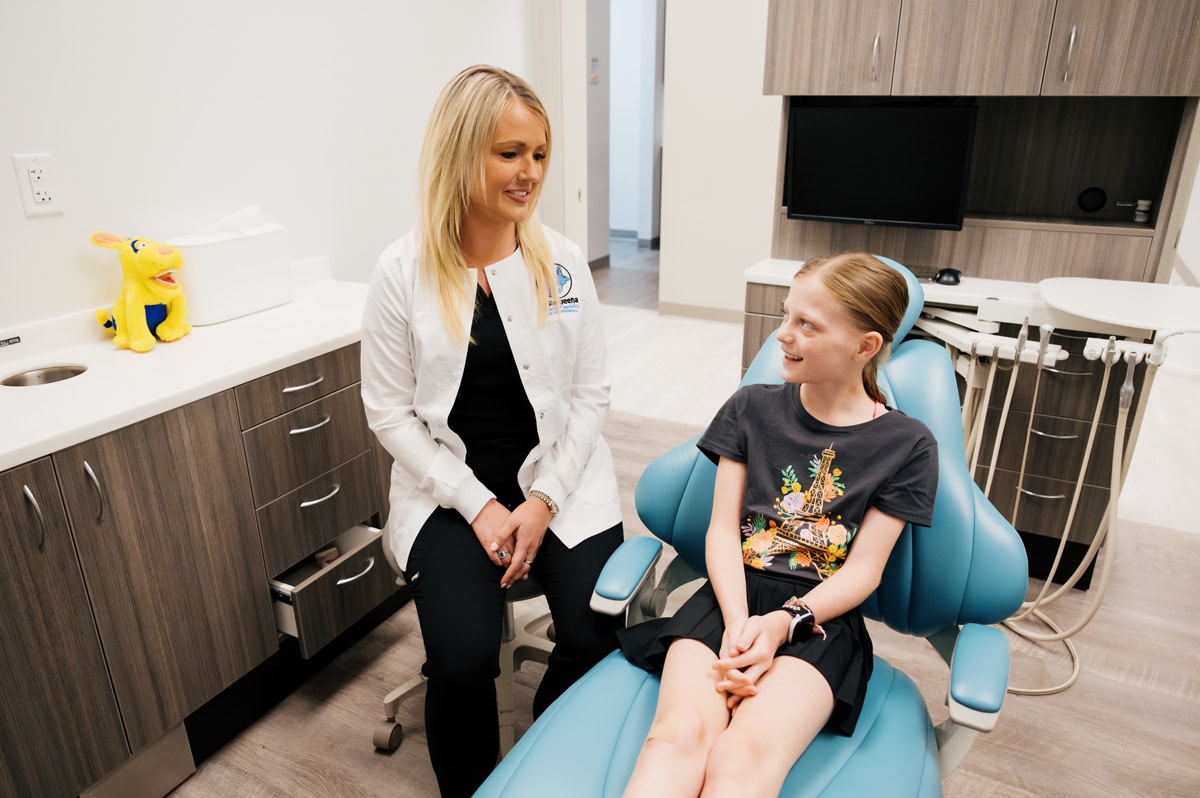
Pediatric dentists complete additional residency training after dental school, focusing on the oral health, development, and behavior of infants, children, and adolescents.
This specialized education includes learning how to communicate with children at different developmental stages, recognize signs of distress, and adapt treatment when a child needs additional support.
Board certification through the American Board of Pediatric Dentistry further demonstrates a pediatric dentist's knowledge and clinical expertise through a formal examination process.
At Issaqueena, our board-certified pediatric dentists use this training to create a more supportive experience for children, including those who have struggled with dental appointments elsewhere.
Behavior Guidance: Helping Children Without Sedation
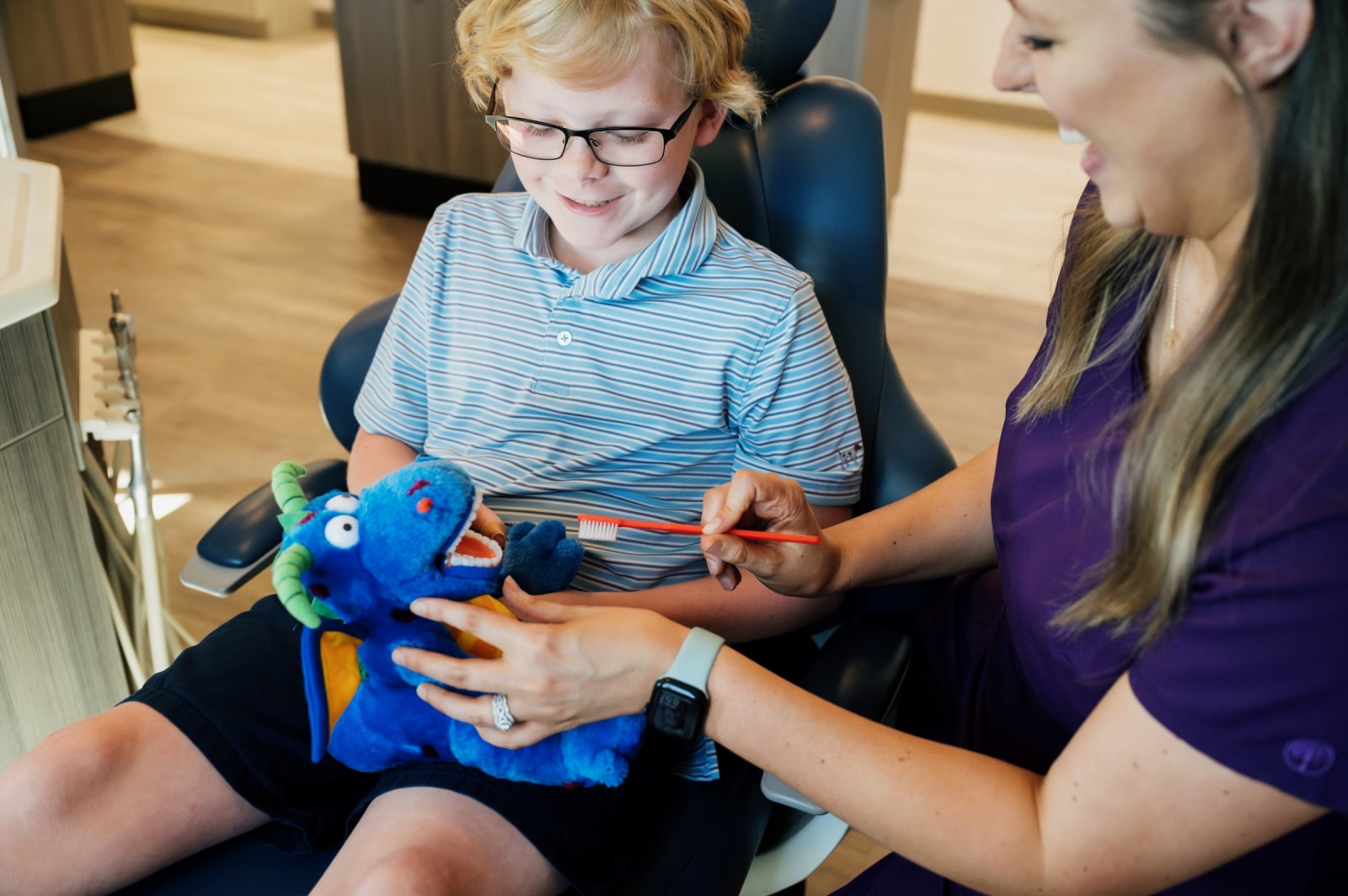
Sedation is not always necessary for a child who feels nervous. Pediatric dentists use several established behavior guidance techniques to help children become familiar with treatment and feel more comfortable participating in their care.
Tell-Show-Do
Tell-show-do introduces each step of an appointment in a predictable, age-appropriate way.
For example, the dentist might explain that a small mirror helps count teeth, show the child how it works, and then gently use it during the examination.
This approach helps reduce uncertainty and gives children an opportunity to become comfortable with unfamiliar instruments.
Positive Reinforcement and Distraction
Other techniques may include:
- Positive reinforcement: Recognizing a child's efforts and encouraging helpful behaviors throughout the appointment.
- Distraction: Using conversation, counting games, or other age-appropriate activities to redirect attention.
- Calm communication: Adjusting explanations, tone, and pacing to help a child understand what is happening.
- Happy visits: Allowing children who need additional support to become familiar with the dental environment before treatment begins.
These approaches are intended to build confidence over time, not simply help a child complete one appointment.
What About Nitrous Oxide?
Nitrous oxide, commonly called laughing gas, may also help children who need additional support during treatment.
It is inhaled through a small nose mask and can help reduce anxiety while the child remains awake and responsive. Its effects generally wear off quickly after administration stops.
Nitrous oxide does not replace local anesthesia when pain control is needed, and its suitability depends on the child's health, treatment needs, and ability to tolerate the mask.
For children whose anxiety or treatment needs require more support, our team can discuss other sedation options.
When Might a Child Need Dental Sedation?
Sedation can help certain children receive necessary dental treatment when behavior guidance alone is insufficient.
A recommendation is based on an individual assessment rather than a child's age or anxiety level alone.
Sedation may be considered for:
- Very young children who are not developmentally ready to cooperate with necessary treatment.
- Children with significant anxiety that prevents treatment from being completed comfortably or safely.
- Children who need extensive dental work that would otherwise involve multiple difficult appointments.
- Children with special healthcare needs, sensory sensitivities, or communication differences that make conventional appointments challenging.
- Children who have not responded adequately to other appropriate behavior guidance approaches.
Before recommending sedation, we review your child's medical history, dental needs, and previous experiences. We also explain the available alternatives so you can participate in choosing an appropriate treatment plan.
Understanding Your Child's Dental Sedation Options
Different forms of sedation provide different levels of support. They also involve different preparation, monitoring, and recovery requirements.
At Issaqueena Pediatric Dentistry and Orthodontics, treatment options include oral conscious sedation, IV sedation with a dedicated anesthesia provider, and hospital-based care.
Oral Conscious Sedation
Oral conscious sedation involves medication taken by mouth to help a child feel more relaxed during dental treatment.
Depending on the medication and individual response, children may become drowsy while remaining able to respond to verbal instructions. Sedation depth can vary, so appropriate supervision and monitoring are essential throughout the appointment.
Oral sedation may be considered for children with mild to moderate anxiety who need additional assistance beyond behavior guidance.
Before the appointment, our team provides instructions covering:
- Eating and drinking restrictions.
- Current medications and relevant medical information.
- What to bring on the day of treatment.
- Transportation and supervision after the appointment.
Your child may remain sleepy or unsteady afterward, so plan for a quiet recovery period at home. Our team will explain what to expect and when your child can resume normal activities.
IV Sedation With a Dedicated Anesthesia Provider
Some children need a deeper level of sedation because of significant anxiety, extensive treatment needs, or difficulty tolerating conventional dental care.
For IV sedation at Issaqueena, a separate anesthesia professional manages your child's sedation while the pediatric dentist focuses on completing the dental treatment.
Our practice works with board-certified anesthesiologists and appropriately qualified dental anesthesia providers who have specialized experience caring for children.
The anesthesia provider continuously monitors your child's condition and adjusts care as needed throughout the procedure.
IV sedation may be recommended when:
- A child requires extensive dental treatment.
- Lighter sedation approaches are unlikely to provide adequate support.
- Previous attempts at conventional treatment have been unsuccessful.
- Individual healthcare or developmental needs warrant a different approach.
The specific anesthesia plan, including its depth and recovery requirements, is discussed with parents before treatment.
Hospital-Based Dental Care
For some children, a hospital or outpatient surgical setting is the most appropriate environment for dental treatment.
This may include children with complex medical histories, significant special healthcare needs, or extensive treatment requirements that are better managed under general anesthesia.
Hospital-based care provides access to additional medical resources and monitoring when a child's individual circumstances require them. In certain cases, it also allows multiple necessary procedures to be completed during one planned treatment session.
Issaqueena holds privileges within the Prisma Health system, allowing our team to help coordinate hospital-based dental care when indicated.
We will explain why this setting is being recommended, what the treatment process involves, and how to prepare your child and family.
How to Support Your Child After a Sedation Appointment
Recovery is an important part of your child's sedation experience. Depending on the medication and level of sedation used, they may feel sleepy, unsteady, or less alert than usual for a period after treatment.
Before your child is discharged, the care team will provide specific instructions for their recovery. These directions should always take priority over general recommendations.
To help your child recover comfortably:
- Plan for adult supervision. Stay with your child and monitor them for the period recommended by their care team.
- Allow time for rest. Avoid strenuous activities, sports, and situations where temporary drowsiness or poor coordination could increase the risk of injury.
- Follow eating and drinking instructions. Your team will explain when your child can safely resume fluids and food, particularly if their mouth remains numb after treatment.
- Give medications only as directed. Follow the instructions provided for any prescribed or recommended medication.
- Know when to seek help. Ask which symptoms are expected, when to contact the dental office, and which warning signs require urgent medical attention.
Recovery times vary, so avoid scheduling additional activities until your child has returned to their usual level of alertness and your care team has cleared them to resume normal routines.
If anything about your child's recovery concerns you, contact the dental team rather than waiting for the next scheduled visit.
How We Approach Sedation Safety
A parent's questions about sedation deserve thoughtful, specific answers. Every sedation option requires careful planning, and no medical procedure is entirely without risk.
Before recommending treatment, our team considers your child's health history, current medications, dental needs, and other factors that may affect sedation.
The level of monitoring and the professionals involved depend on the sedation approach selected. For IV sedation, a dedicated anesthesia provider is responsible for managing anesthesia while our pediatric dentist performs the dental treatment.
Our clinical team maintains training in Basic Life Support (BLS), Pediatric Advanced Life Support (PALS), and Advanced Cardiac Life Support (ACLS), supporting our preparation for medical emergencies.
Parents also receive instructions for preparation and recovery, including any applicable fasting requirements and symptoms that warrant contacting our office.
Our priority is to recommend care that is appropriate for your child, with clear communication throughout the process.
Questions to Ask Before Your Child's Sedation Appointment
Understanding the treatment plan can make the decision-making process easier. During your consultation, consider asking:
- Why is sedation being recommended? Ask which aspects of your child's anxiety, health, or treatment needs make it appropriate.
- Are there alternatives? Discuss whether behavior guidance, shorter appointments, or a lighter sedation option may be suitable.
- Who will administer and monitor the sedation? Understand each provider's role, qualifications, and responsibilities.
- How will my child be monitored? Ask about the safety measures used during treatment and recovery.
- How should we prepare? Confirm fasting instructions, medication guidance, and transportation arrangements.
- What should we expect afterward? Find out how long recovery may take, what symptoms are typical, and when to contact the dental team.
You should have the information you need to make an informed decision before treatment is scheduled.
Helping Your Child Build Confidence After a Difficult Dental Experience
A challenging dental appointment doesn't have to define how your child feels about dental care in the future. With patience, consistency, and an approach that respects their individual needs, many children gradually become more comfortable with dental visits.
If your child has experienced significant anxiety, consider discussing a gradual return to care with their pediatric dentist. This might include a short visit to become familiar with the office, meeting the dental team without undergoing treatment, or introducing procedures in smaller, manageable steps when clinically appropriate.
At home, acknowledge your child's efforts rather than focusing only on whether they completed the appointment. Recognizing small accomplishments can help build confidence without creating additional pressure.
Regular preventive visits also provide opportunities to develop familiarity and trust, particularly when appointments aren't centered around an urgent dental problem.
For some children, progress happens quickly. Others need more time or continued support. The important thing is developing a care plan that protects their oral health while helping future appointments become more manageable.
Our Approach to Caring for Anxious Children at Issaqueena

Every child deserves dental care that considers their emotional well-being alongside their oral health.
Our approach begins with understanding the child in front of us. Some children benefit from additional explanations and time to become familiar with the office. Others need a happy visit, modified behavior guidance, or sedation to receive treatment appropriately.
As a pediatric specialty practice, we offer a range of care options rather than expecting every child to respond to the same approach.
Our services include behavior guidance, oral conscious sedation, IV sedation with a dedicated anesthesia provider, and hospital-based dental care through the Prisma Health system.
Our team works with parents to determine which option best supports their child's health, comfort, and treatment needs.
Let's Find the Right Approach for Your Child
If your child has struggled with dental appointments, or you're concerned about how they might respond to upcoming treatment, we're here to help you understand the available options.
At Issaqueena Pediatric Dentistry and Orthodontics, we'll take the time to learn about your child's needs, answer your questions, and discuss an appropriate path forward.
Contact the location most convenient for your family to schedule a consultation:
- Seneca: (864) 482-7900
- Clemson: (864) 722-9013
- Piedmont: (864) 625-1283
We look forward to helping your child build a healthier, more comfortable relationship with dental care.
We can’t wait to meet you
Call or request an appointment online to set up your first visit. We’ll be in touch soon.
