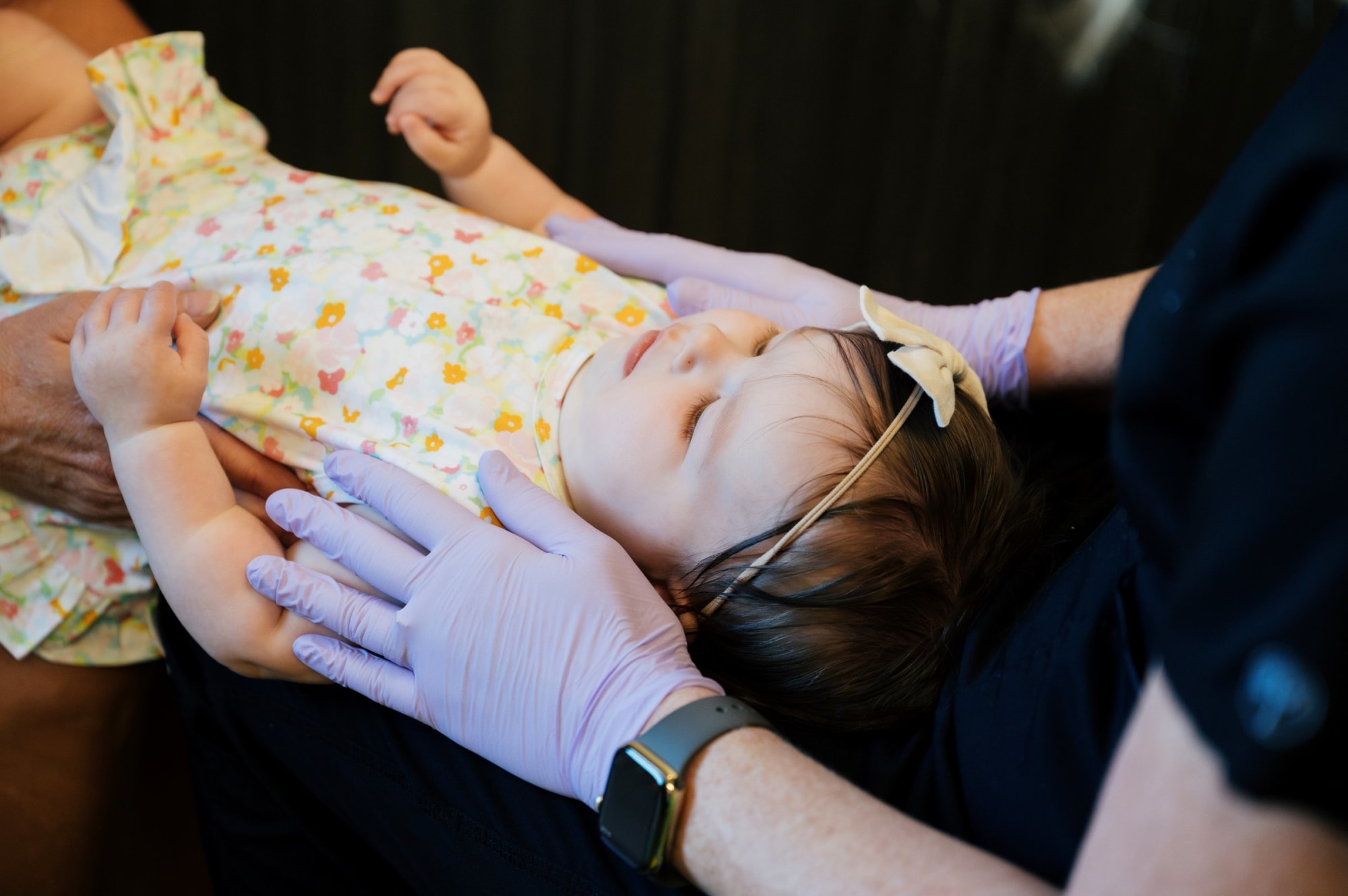

Is Your Toddler Scared of the Dentist? Here's What Actually Helps
Dental Anxiety in Toddlers: How to Help Your Child Feel Comfortable at the Dentist
Your toddler may be perfectly happy on the way to their dental appointment, only to become frightened when it's time to sit in the chair. They might cry, refuse to open their mouth, or become overwhelmed by an unfamiliar environment. For parents, watching their child struggle can make an already important appointment feel especially difficult.
Dental anxiety is common in young children. A toddler's reaction doesn't necessarily mean they've had a negative experience or that future appointments will be equally challenging. Often, they simply need more time, familiarity, and an approach that considers their stage of development.
At Issaqueena Pediatric Dentistry and Orthodontics, Dr. Horton and our team understand how important early dental experiences can be. Across our Seneca, Clemson, and Piedmont locations, we help young children become familiar with dental care while working closely with parents to address their concerns.
Quick Takeaways
- Dental anxiety is common in toddlers, particularly during unfamiliar experiences.
- Crying, hesitation, and difficulty cooperating may reflect a child's developmental stage rather than a behavioral problem.
- Pediatric dentists use age-appropriate communication and behavior guidance to help children feel more comfortable.
- Happy visits can introduce children to the dental environment before more involved treatment.
- Parents can help by using positive, simple language and practicing dental visits at home.
- When additional treatment support is necessary, your child's dentist can discuss appropriate options.
Why Are Toddlers Afraid of the Dentist?
Toddlers are still developing their ability to understand unfamiliar situations, communicate their feelings, and manage overwhelming experiences.
A dental appointment introduces several new sensations at once. Bright overhead lights, unfamiliar sounds, reclining chairs, and someone examining their mouth may feel intimidating, even when nothing uncomfortable is happening.
Some children are particularly sensitive to certain sounds, textures, or physical sensations. Others may feel uneasy around unfamiliar adults or become upset when asked to remain still.
Previous experiences can also influence a child's response. If an earlier medical or dental appointment was difficult, they may associate similar environments with discomfort or uncertainty.
These reactions are not necessarily signs that your child is unwilling to cooperate. Understanding what makes them uncomfortable allows the dental team to adjust its approach and help them become more familiar with the experience.
How Pediatric Dentists Help Anxious Toddlers
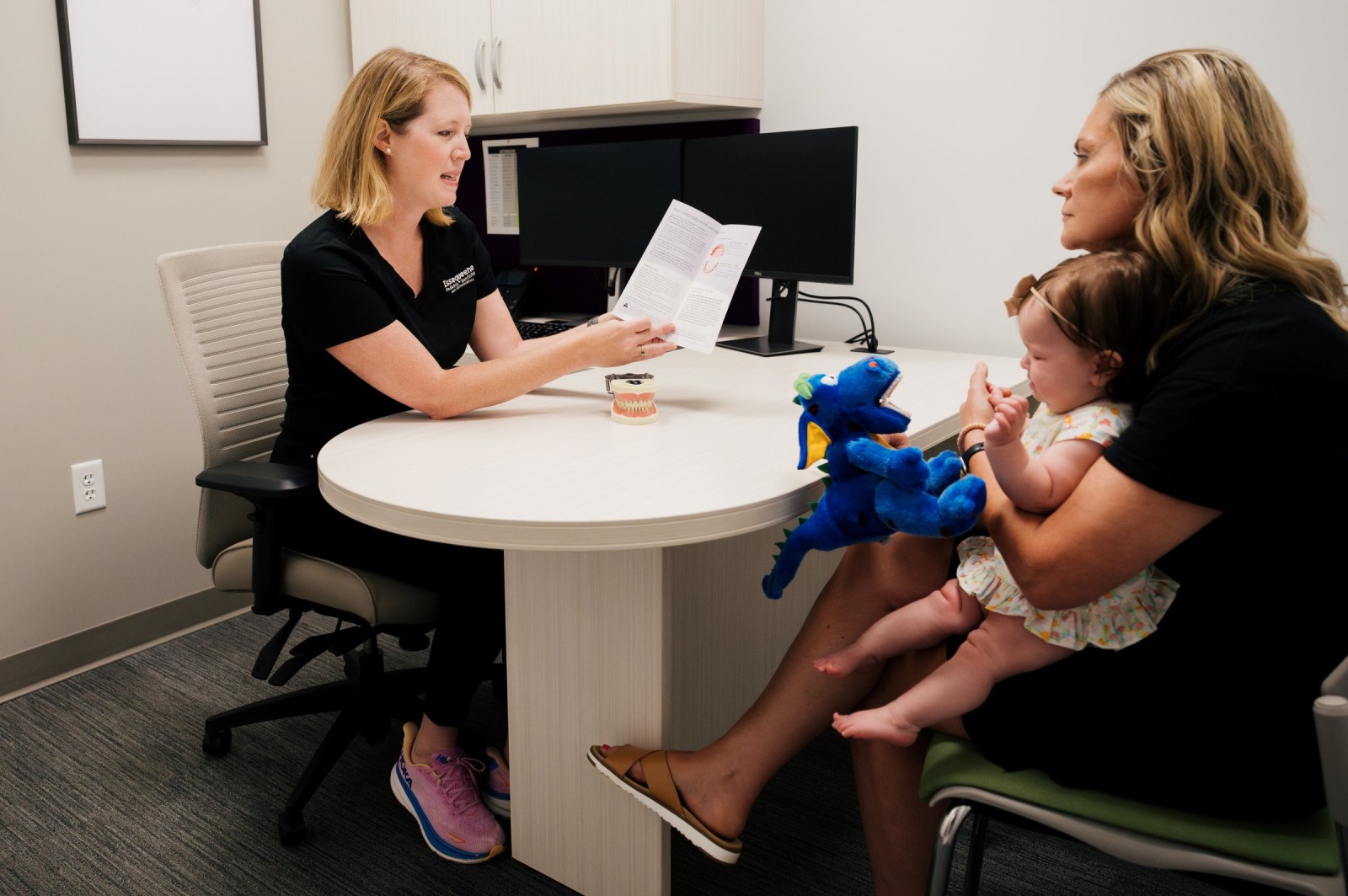
Pediatric dentists receive additional training in child development, communication, and behavior guidance. This specialized preparation helps them adapt dental appointments to children at different ages and developmental stages.
At Issaqueena, our approach begins with understanding your child's comfort level rather than expecting every child to respond to the same techniques.
Introducing Dental Care Through Happy Visits
For children who need additional time to adjust, a happy visit can provide an opportunity to become familiar with the dental environment.
Depending on your child's needs, this may involve meeting the team, exploring the treatment room, sitting in the dental chair, or being introduced to instruments in a non-threatening way.
The purpose is to develop familiarity and trust before progressing to more involved care, when clinically appropriate.
Using Tell-Show-Do and Positive Reinforcement
Tell-show-do is a commonly used pediatric behavior guidance technique. The dentist explains an upcoming step using age-appropriate language, demonstrates what will happen, and then gently performs it.
For example, we might introduce a dental mirror by showing your child how it helps us count their teeth before using it during their examination.
Positive reinforcement, distraction, and calm communication can also help children participate more comfortably.
Some toddlers adjust quickly, while others need several positive experiences. Our goal is to support their oral health while helping them gradually build confidence.
What If Your Toddler Needs a Dental Injection?
For children who need restorative treatment, parents may be particularly concerned about how their child will respond to local anesthesia.
Local anesthesia is used to numb the treatment area and help manage discomfort during procedures such as dental fillings.
At Issaqueena, our team uses SOAN (single-tooth anesthesia), a targeted approach that delivers local anesthetic to the area being treated.
This technique is designed to provide focused anesthesia while limiting unnecessary numbness in surrounding tissues. As with any injection, individual experiences vary, and we would not promise that a child will feel nothing.
Our pediatric dental team also uses age-appropriate communication and behavior guidance to help children through the process.
When Might Sedation Be Appropriate?
Many children become more comfortable with dental appointments through familiarity, behavior guidance, and additional time. However, some toddlers need more support to receive necessary treatment.
Sedation may be considered when a child is too young to cooperate with certain procedures, experiences significant anxiety, has special healthcare needs, or requires extensive dental work.
The decision depends on an individual assessment of your child's medical history, developmental readiness, and treatment needs.
At Issaqueena Pediatric Dentistry and Orthodontics, available options include:
- Oral conscious sedation: Medication taken by mouth to help appropriately selected children feel more relaxed during treatment.
- IV sedation: A deeper level of sedation managed by a dedicated, qualified anesthesia provider while the pediatric dentist performs treatment.
- Hospital-based dental care: Treatment in an outpatient hospital setting when a child's medical circumstances or dental needs make that environment more appropriate.
Sedation requires careful planning and appropriate monitoring. Our team will explain why a particular option may be recommended, discuss alternatives, and provide preparation and recovery instructions before treatment is scheduled.
Not every anxious toddler needs sedation, and needing it for one procedure does not necessarily mean your child will require it for future appointments.
How to Prepare Your Toddler for Their Dental Appointment
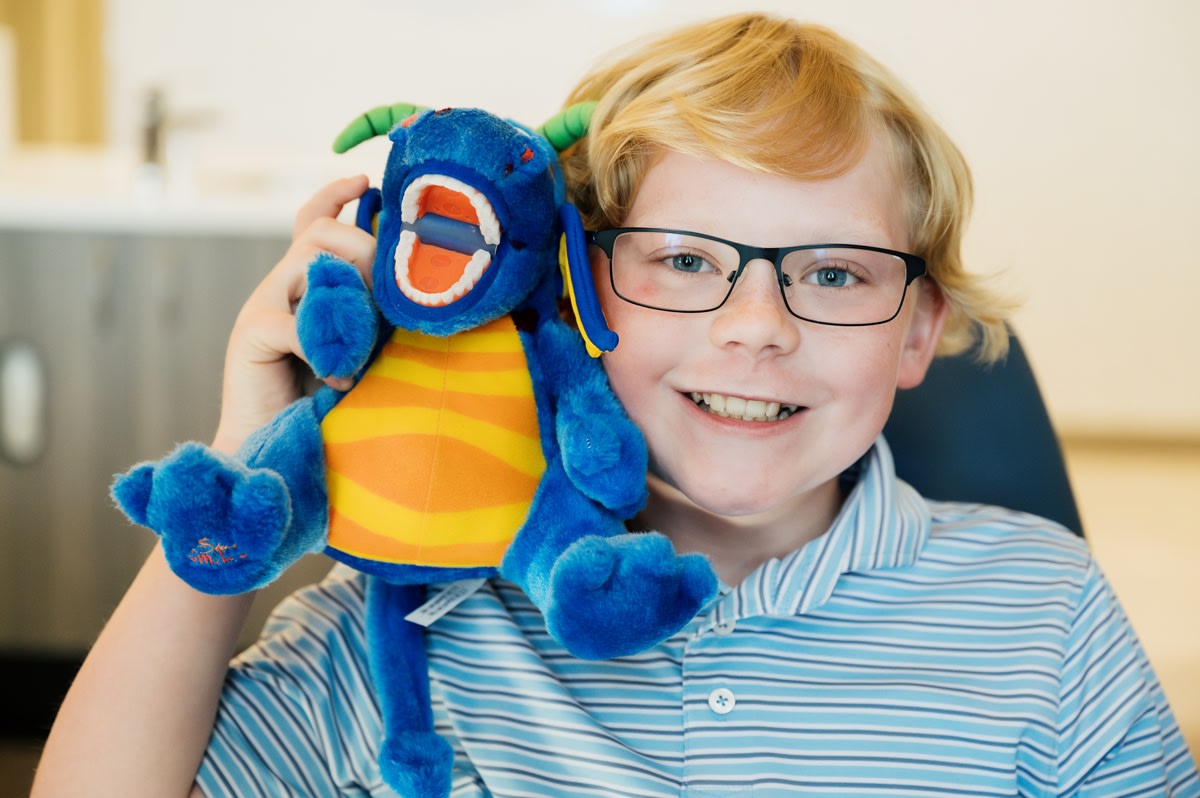
Parents can help make dental visits feel more familiar by introducing the idea of dental care at home.
You don't need to provide an elaborate explanation. For young children, simple and positive descriptions are often more helpful than detailed discussions about what might happen.
A few ways to prepare include:
- Use reassuring, age-appropriate language. Explain that the dentist will look at their teeth and help keep them healthy.
- Avoid promising that nothing will hurt. Instead, reassure your child that the dental team will explain what they're doing and help keep them comfortable.
- Read books about visiting the dentist. Familiar stories can help introduce the dental office in a positive way.
- Practice through play. Let your child pretend to count a stuffed animal's teeth or take turns playing dentist.
- Choose a suitable appointment time. Whenever possible, schedule visits when your toddler is usually well-rested.
- Share concerns ahead of time. Tell our team about previous difficult experiences, sensory sensitivities, or anything that helps your child feel more comfortable.
It's also helpful to avoid describing dental treatment as a consequence of poor brushing habits. Presenting the dentist as someone who helps care for their teeth can support a more positive association.
What If Your Toddler Cries Throughout the Appointment?
Even with preparation, your child may still become upset. Crying during a dental appointment is not unusual for toddlers, particularly when they're experiencing something unfamiliar.
If your child struggles, the dental team can assess the situation and determine how best to proceed. Depending on their needs and the urgency of treatment, this may involve adjusting the pace, using additional behavior guidance, or discussing another appointment.
Parents can help by remaining calm, following the dental team's guidance, and offering reassurance appropriate to their child's age.
Afterward, acknowledge your child's efforts without focusing excessively on what was difficult. A positive experience doesn't always mean an appointment without tears. Sometimes, progress means becoming a little more familiar with the office or completing one additional step compared with the previous visit.
Building confidence can take time, and your child's care plan can evolve as they grow.
Finding a Pediatric Dentist Who Understands Dental Anxiety

When choosing a dental practice for an anxious toddler, look for a team that understands early childhood development and can explain how it supports children who struggle with appointments.
It's reasonable to ask about behavior guidance techniques, whether introductory visits are available, how the practice approaches difficult appointments, and what additional treatment options it offers.
Communication with parents is equally important. You should feel comfortable sharing your child's concerns, asking questions, and understanding the reasoning behind treatment recommendations.
At Issaqueena Pediatric Dentistry and Orthodontics, our board-certified pediatric dentists provide individualized care for children with different developmental, emotional, and dental needs.
Whether your toddler needs a gentle introduction to the dental office, additional behavior guidance, or a conversation about sedation, we'll help you understand the available options.
Let's Help Your Child Feel More Comfortable With Dental Care
If your toddler has had a difficult dental experience, or you're concerned about their upcoming first appointment, our team is here to listen.
We'll take time to understand your child's needs, answer your questions, and discuss how we can support a more comfortable dental experience.
Contact your preferred Issaqueena Pediatric Dentistry and Orthodontics location to schedule an appointment:
- Seneca: (864) 482-7900
- Clemson: (864) 722-9013
- Piedmont: (864) 625-1283
We look forward to helping your child develop a positive foundation for lifelong oral health.
We can’t wait to meet you
Call or request an appointment online to set up your first visit. We’ll be in touch soon.
