
Orthodontics For Kids: A Helpful Guide For Parents
Orthodontics For Kids: A Helpful Guide For Parents
Author: Issaqueena Pediatric Dentistry Team
Ever watch your child’s smile light up a room? As parents, we all want our kids to feel confident, healthy, and free to show off that one-of-a-kind grin. Navigating orthodontic treatment can seem intimidating, though, especially with so many questions about when to start, what options are best, and how to choose the right team. This guide breaks down what parents need to know about early orthodontic care, explores different treatment options, like braces, ceramic alternatives, and clear aligners, and covers everything from timing and costs to what to expect along the way. By the end, you’ll feel better equipped to support your child and help them build a smile they’ll be proud of for life.
Quick Takeaway
Orthodontics for children helps correct bite problems, align growing smiles, and set kids up for healthier teeth as adults. Early visits to a pediatric orthodontist, combined with the right treatment plan, help prevent future dental issues and boost lifelong confidence.
Why Orthodontics Matters for Kids
You might wonder, is this really necessary so young? In truth, early orthodontic care is one of the best gifts you can give a child. Properly aligned teeth are easier to clean and help avoid cavities or gum disease in the future. A growing child’s jaw is more adaptable, so minor adjustments at the right age can prevent much bigger dental problems later on. According to the American Association of Orthodontists, children who receive timely orthodontic attention often need less invasive work as teenagers or adults.
At Issaqueena Pediatric Dentistry, we see the difference early care makes in every child’s smile and confidence. As Dr. Camille Horton shares, “A tooth is a tooth no matter how small. We value the importance of oral health as young as a baby tooth, and want families to establish a pediatric dental home as early as possible."
Not only does this approach support a child’s dental health, but it makes future hygiene easier, improves speech, and can even alleviate discomfort or self-consciousness about crowded teeth. A healthy smile truly changes everything.
When Should Kids See an Orthodontist?
So, when should you first take your child to see an orthodontist? The general consensus, supported by both the American Association of Orthodontists and our Issaqueena team, suggests a first orthodontic visit by age 7. This doesn’t mean a child will need braces in second grade. Instead, it gives the kids orthodontist a chance to spot hidden problems before they become big ones.
At this age, kids have a mix of baby teeth and permanent teeth, which makes it easier to evaluate jaw growth and how adult teeth are coming in. Sometimes, we spot growth patterns or alignment issues that warrant “interceptive” early treatment. Other times, it’s about making a plan and watching how things develop.
Signs Your Child Might Benefit from an Early Orthodontic Evaluation
Not every orthodontic issue is visible at first glance. Moms and dads should watch for:
- Teeth that are crowded, crooked, or seem out of place
- Obvious bite problems such as an overbite, underbite, or crossbite
- Thumb sucking or finger sucking habits that continue past kindergarten
- Early or delayed loss of baby teeth
- Difficulty speaking or chewing
- Jaws that shift or make popping sounds
If you’re unsure, trust your instincts. You know your child best, and peace of mind is reason enough to schedule a checkup.
Orthodontic Treatment Options for Kids
Orthodontics is not a one-size-fits-all journey. At Issaqueena Pediatric Dentistry, we help parents and kids select the option that fits their health needs, comfort, and lifestyle.
Traditional Metal Braces
Metal braces are the tried-and-true solution for a variety of bite and alignment problems. They use brackets and wires to move teeth into place over time. Modern braces have come a long way from the “metal mouth” look you may remember. They're smaller, more comfortable, and kids can customize them with colorful bands to show off their personality.
Phases and Process
Often, treatment occurs in two stages:
- Phase 1 (Early Interceptive): Begins before all permanent teeth come in, usually targeting jaw issues or making room for new teeth. This stage can use partial braces or expanders.
- Phase 2 (Comprehensive): Starts after most adult teeth have arrived and involves full braces to finalize alignment.
Metal braces are especially effective for complex cases and for children who need a little more oversight.
Pros and Cons
Pros:
- Highly effective for all types of bite issues
- Durable, reliable, and have a long track record
- Kids can customize them for fun with colored bands
Cons:
- More visible than other types
- Require some food restrictions (no sticky candy or hard snacks)
- Need a bit more attention with brushing and flossing
Metal braces often cost less than other systems and are perfect for families seeking proven results.
Ceramic Braces
Ceramic braces work like metal versions but are less obvious. They are made of tooth-colored or clear materials that blend into your child’s smile.
Pros:
- Lower profile appearance than metal
- Just as effective for most alignment concerns
Cons:
- A little more fragile and sometimes more expensive
- The brackets can stain if not cleaned well
Many older children or image-conscious teens like ceramic braces for their subtle look.
Clear Aligners (Invisalign and Invisalign Teen)
Imagine orthodontics that slips on and off like a mouthguard. Clear aligners, such as Invisalign, are custom-made trays that gradually shift teeth into place. Kids and teens love them because they are nearly invisible and easy to manage for snacks and sports.
Issaqueena Pediatric Dentistry offers Invisalign for eligible children and teenagers, with complimentary consultations at our Powdersville location to determine if this approach is a good fit.
Pros:
- No metal brackets or wires
- Removable for meals, special occasions, and brushing
- Little-to-no dietary restrictions
Cons:
- Require discipline to wear 20–22 hours per day
- Better suited to mild or moderate cases
Clear aligners can be the ideal choice for older kids who are ready to take responsibility for their care.
How to Choose the Right Orthodontic Option
The best choice depends on your child’s specific needs, dental development, and what will make them feel confident. Our orthodontist and pediatric dental team specialize in crafting a custom orthodontic treatment plan for every family, walking you through each option, and answering as many questions as needed. Many Issaqueena parents say that our approach made them feel included and supported at every step, which is a big reason why kids look forward to coming back.
What to Expect During Treatment
Knowing what’s ahead helps reduce anxiety for children and parents alike! Here’s what to expect when your child begins orthodontic care at Issaqueena Pediatric Dentistry.
How Long Does Treatment Take?
Each child’s journey is unique, but typically:
- Phase 1 (Early Treatment): May last from 9 to 18 months. The goals here are to guide jaw growth, prevent crowding, or correct early bite problems.
- Phase 2 (Braces or Clear Aligners): Most kids and teens wear braces or aligners for 12 to 24 months, with regular check-ins for adjustments.
Following retainer use after braces ensures those new smiles stay healthy and straight.
Managing Discomfort and New Routines
Starting a new treatment may bring some tenderness for a few days, especially after adjustments or when changing aligner trays. Most kids describe it as “pressure” or “soreness” that soft foods and over-the-counter pain relievers can help ease. Our compassionate team will take time to check your child’s comfort, offer tips for managing discomfort, and keep open communication.
Adjustments in Daily Life
- Diet: With braces, kids should avoid hard, sticky treats or chewy snacks. This protects wires and keeps treatment on track. Aligners get removed for meals, which means fewer rules, but they can be misplaced, so help your child develop a routine!
- Sports: Kids who play contact sports can be fitted for mouthguards that protect braces or aligners.
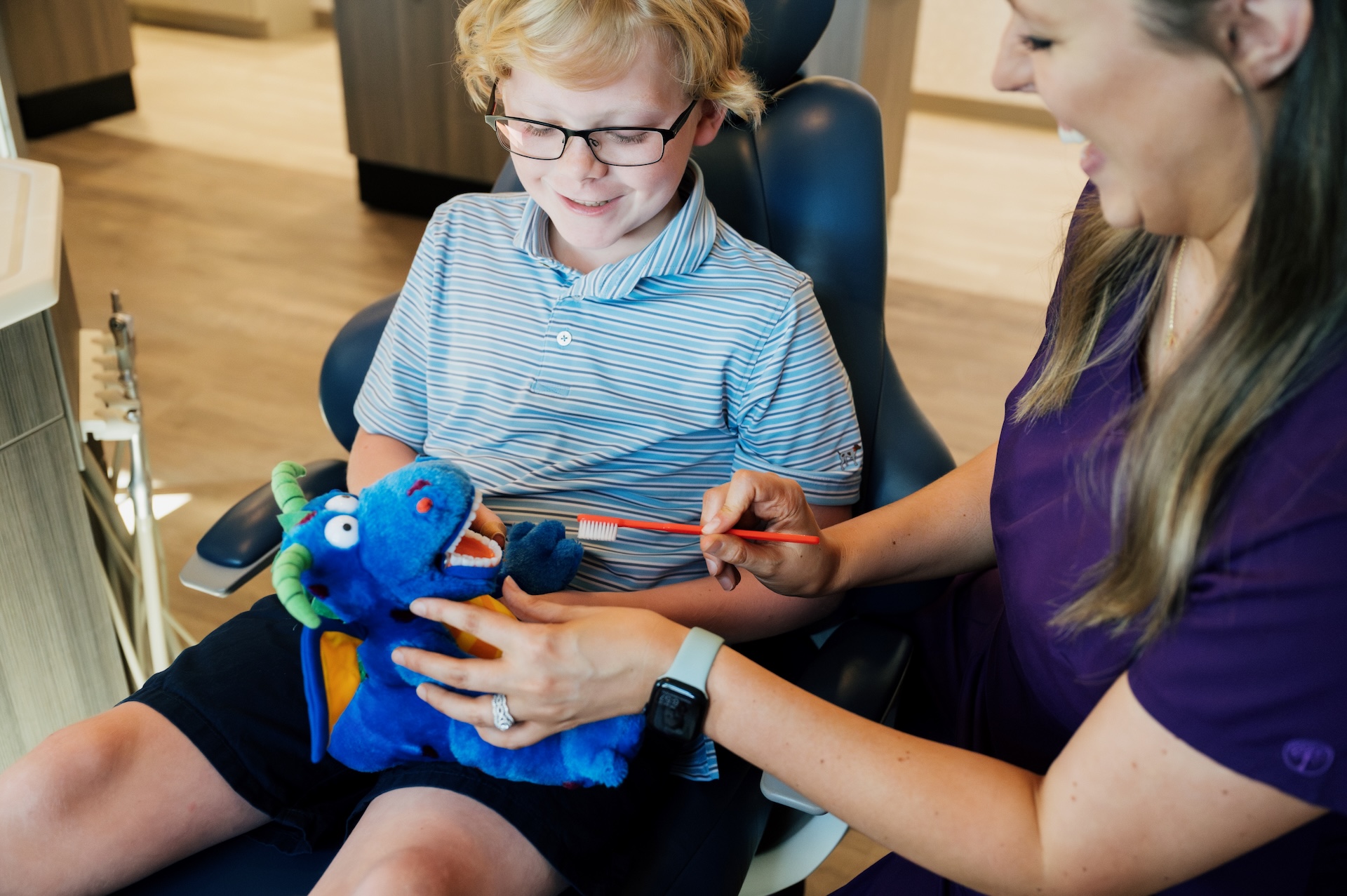
- Oral Hygiene: Braces require a bit more effort to brush and floss around. At Issaqueena, we make hygiene fun with goal boards and positive reinforcement so kids look forward to checkups.
For children who are anxious about treatment, we offer “happy visits” where they can get to know the office and team, try out equipment, and celebrate small wins before bigger steps.
Planning and Cost Considerations
Every parent worries about the price tag and wants real-world answers. Issaqueena Pediatric Dentistry believes in transparency from the start.
Costs: Braces vs. Aligners
- Metal Braces: Typically cost less than clear alternatives. Ballpark national averages range from $3,000 to $6,000, depending on the complexity of the case.
- Ceramic Braces: Pricier by about 10%–20% because of materials.
- Clear Aligners: Comparable to metal for basic issues but can cost more if more aligners are needed or aligners are lost and replaced.
During every complimentary consultation, we provide detailed, personalized cost estimates with no surprises later.
Insurance Coverage
Our office is in-network with Delta Dental, Blue Cross Blue Shield, Cigna, and Medicaid for South Carolina. Many plans pay up to half the cost of children’s orthodontic care, including Invisalign in some cases. For families without insurance, we offer Smile Club discounts and flexible financing. The bottom line is that we work hard to maximize your benefits and minimize stress so you can focus on your child.
Why Early Orthodontic Care Is Worth It
Early intervention can help families avoid more complex dental procedures, reduce the time or intensity of treatment needed in teenage years, and preserve natural teeth. Ultimately, investing in orthodontics boosts both oral health and self-esteem for years to come. Our families tell us that the value of a confident smile goes far beyond appearances.
Decision Guide: Comparing Orthodontic Options
Choosing an orthodontic approach is a big family decision. Here’s a simple comparison:
Metal Braces:
- Best for most complex alignment or bite issues.
- Durable, colorful, and cost-effective.
- Require more dietary adjustments.
Ceramic Braces:
- More discreet than metal.
- Fragile, requires extra attention for cleaning.
- Well-suited for older kids and teens.
Clear Aligners (Invisalign):
- Removable and nearly invisible.
- Highest responsibility required; best for teens and mature preteens.
- Fewer food restrictions.
If you are struggling to choose, our expert orthodontist will help you weigh the options and pick the solution that fits your goals and your child’s personality.
Frequently Asked Questions
What age should my child go to an orthodontist?
Ideally, plan their first visit by age 7 or earlier if your dentist notices any concerns. This doesn’t guarantee they will need braces right away, but it ensures problems are caught early. More details are available in AAO’s guide for parents towards their child's orthodontics.
What are the phases of braces for kids?
Phase 1 focuses on jaw growth and guiding the eruption of permanent teeth, usually between ages 6 and 10. Phase 2 involves full braces or aligners after most adult teeth have appeared and finishes the alignment process.
Is Invisalign better than braces for kids?
Invisalign is effective for mild to moderate alignment issues and offers discreet, removable trays. Braces are ideal for more complex cases and for children who need a little more help staying on track. Your orthodontist will walk you through which option fits your child best.
When are braces most uncomfortable for kids?
The first few days after getting braces or when wires are tightened often bring the most soreness. Soft food, cold drinks, and encouragement from our team go a long way.
Does insurance cover orthodontics for children?
Yes, most major plans help with the cost of braces or aligners. Our front desk team will explain your benefits and can recommend ways to make care affordable.
Can my child eat normally with braces or aligners?
Braces require avoiding sticky, crunchy, or chewy foods. Aligners should always be removed to eat, which means no food restrictions, but trays must go back in right after meals.
Will orthodontics affect playing sports or musical instruments?
Not at all. Mouthguards protect orthodontic appliances during sports. Most kids adjust quickly to playing brass or wind instruments, and our team can offer tips for a smoother transition.
Conclusion & Next Steps
Starting your child’s orthodontic journey is not just about straight teeth. It’s showing them that you care about their health and self-confidence every step of the way. At Issaqueena Pediatric Dentistry, we believe early, expert guidance creates smiles that last. Our team is here to make the experience positive, clear, and genuinely fun for families across Upstate South Carolina.
Whenever you are ready to explore what orthodontics can do for your child, schedule a complimentary consultation with us. Our pediatric dental and orthodontic specialists are eager to support your family and show your child how awesome a healthy, happy smile can feel.
For more details about orthodontics for children, why not browse our full menu of dental and orthodontic services or learn more about our kid-friendly approach to preventive care and first visits? Each step you take supports your child’s healthiest, brightest future.
We can’t wait to meet you
Call or request an appointment online to set up your first visit. We’ll be in touch soon.
