
Kids Braces in Seneca and Clemson, SC | Issaqueena Pediatric Dentistry
Maybe you noticed it over breakfast, or your pediatrician mentioned it at a well visit. Something about the bite looks off, or the front teeth are coming in sideways, and now you're wondering if it's time for a real conversation. Those are exactly the kinds of things our team is here to help with, and you don't need a referral or a diagnosis to get started.
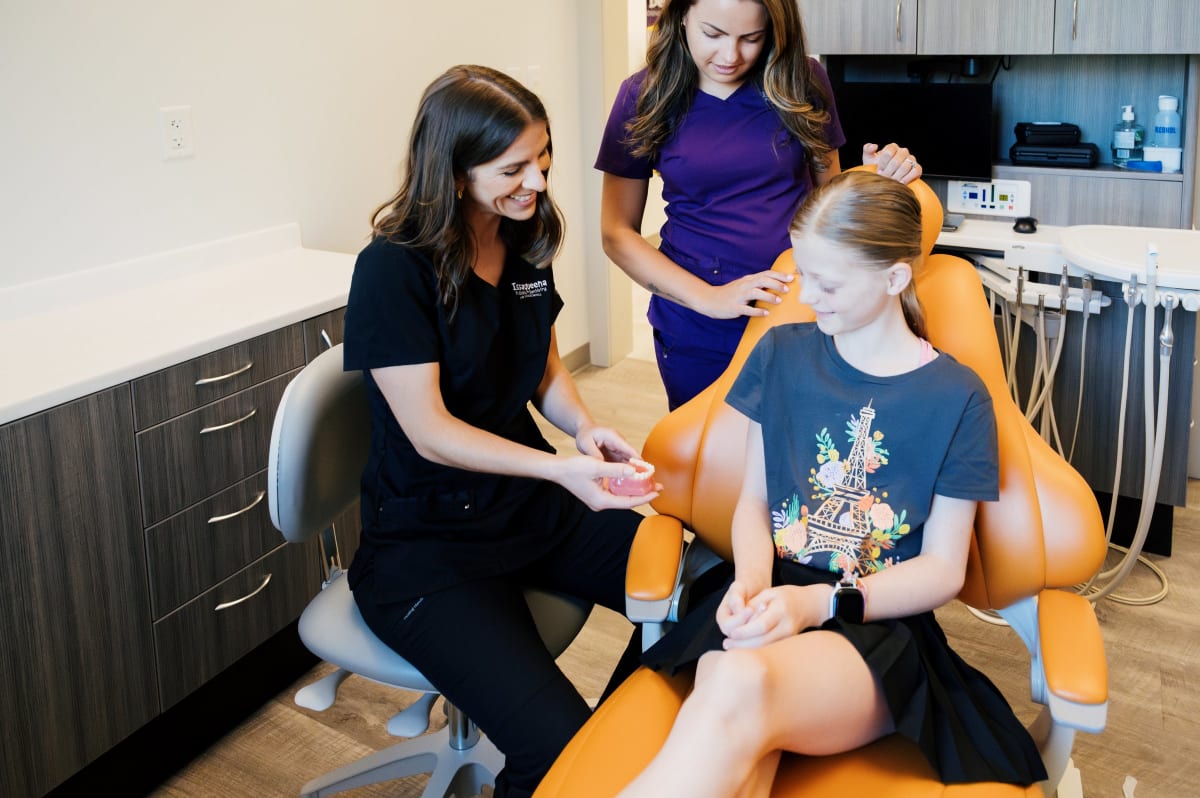
At Issaqueena Pediatric Dentistry and Orthodontics, orthodontics is part of the same practice as your child's pediatric dental care. That means the people looking at their bite already know their history, their comfort level, and how their smile has been developing. The conversation about braces becomes a natural next step, not a trip to somewhere unfamiliar.
Start with a complimentary consultation. Call our Seneca office at (864) 482-7900, our Clemson office at (864) 722-9013, or our Piedmont office at (864) 625-1283.
The Short Version
- A first orthodontic checkup is recommended around age seven, even when everything looks fine.
- Our orthodontist and pediatric dentists work together, so your child's care stays connected.
- We will tell you honestly whether to start now, wait, or keep an eye on things at regular visits.
- Cost varies for every child. Call us and we will walk you through a real estimate.
Here Is What Getting Braces Actually Looks Like
1. The Complimentary Consultation
Our orthodontist looks at how your child's teeth, jaw, and bite are developing, then walks you through what he sees in plain language. If your child already sees us for checkups, their history and comfort level carry right into that conversation. Nothing starts from scratch, and your child won't feel like a new patient.
2. Records and a Plan
If treatment makes sense, we take the images and measurements needed to plan how the teeth will move and in what order. You'll hear the plan explained in terms you can repeat at the dinner table, along with an honest estimate of how long it should take. Our orthodontic services include traditional braces as well as Invisalign and Invisalign Teen.
3. Placing the Braces
Small brackets are bonded to the front of each tooth and connected with a wire. Nothing is drilled. It's one longer appointment, and your child walks out with the braces on that same day.
4. Adjustment Visits
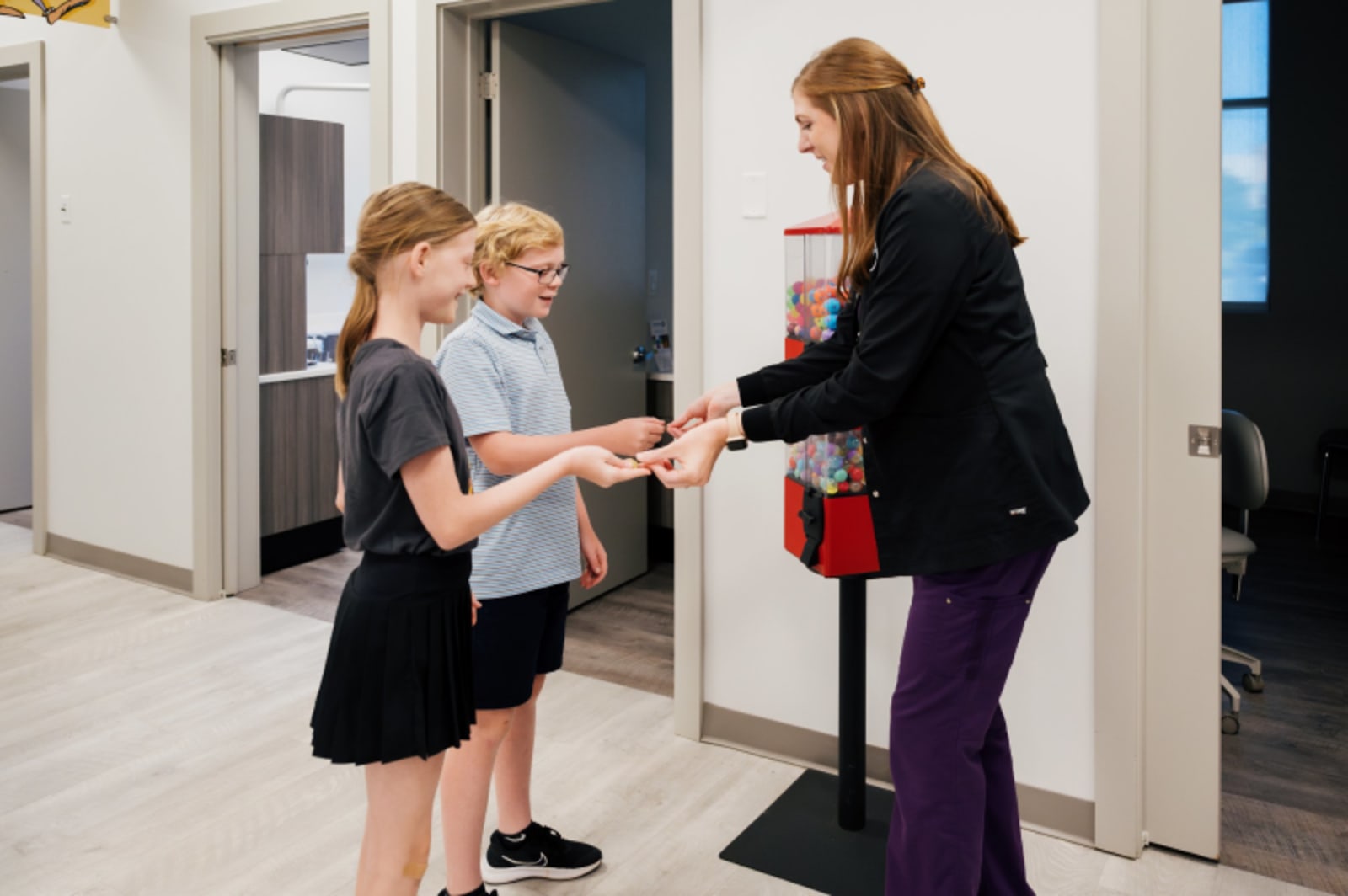
Every few weeks, we adjust the wire so the teeth keep moving in the right direction. These visits are short. Your child picks new band colors if they want them, and this is where a lot of kids start enjoying the process more than they expected to.
5. Braces Off, Retainer On
When the teeth have reached their final positions, the brackets come off in one visit. We'll fit your child with a retainer, which holds everything in place while the bone and gums settle around the new alignment. The retainer is not optional. It is what protects everything you just invested in.
Beyond Straight Teeth: What Braces Are Actually Fixing
Straight teeth look great in photos, and that matters to a twelve-year-old more than most adults remember. But the reasons we recommend braces usually go further than the picture.
- Easier cleaning, fewer cavities. Crowded and overlapping teeth trap food and are hard to brush around. Straightening them makes daily brushing genuinely more effective.
- A bite that works. When upper and lower teeth meet correctly, chewing is more comfortable and pressure spreads evenly instead of concentrating on just a few teeth.
- Less wear and trauma. Teeth that stick out are more vulnerable on a bike or a soccer field. Teeth that press against each other wear down faster.
- Room for permanent teeth. Guiding growth at the right stage can create space for teeth still waiting to come in, which sometimes means a shorter or simpler orthodontic treatment later.
- Confidence that sticks. Kids notice their own smiles. The change in how a child talks, laughs, and poses for photos is often the first thing parents share with us.
Having pediatric dentistry and orthodontics under one roof means your child's dental history and their treatment plan stay connected. Nothing gets lost in translation between one office and another.
You Don't Need a Diagnosis to Come In
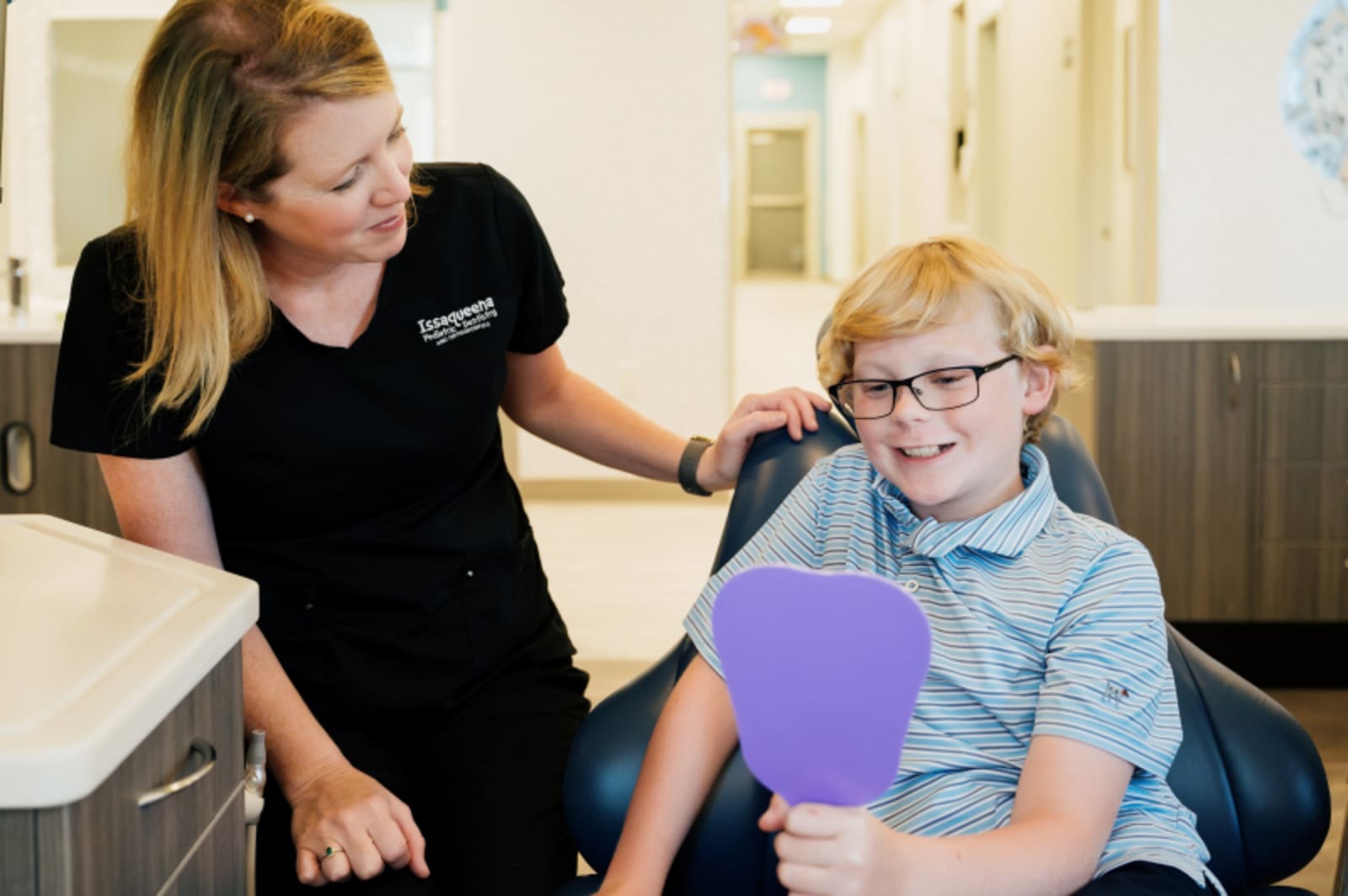
You don't have to arrive with a diagnosis. That's what the evaluation is for.
- Teeth that look crowded, overlapping, or out of position
- Gaps that don't seem to be closing on their own
- Upper and lower teeth that don't meet the way they should
- A child who says chewing feels awkward or uncomfortable
- Mouth breathing, or a jaw that shifts to one side when biting down
- Baby teeth falling out much earlier or later than expected
Some children come in and the answer is simply "not yet." If enough permanent teeth haven't come in yet, starting braces too soon can mean more time in treatment without a better result.
What the Next One to Three Years Could Look Like for Your Child
Not every child follows the same path. Some kids start with what we call Phase 1, or interceptive treatment. It's a shorter early stage that guides jaw growth or makes room for incoming teeth, followed by a rest period and then a second phase if needed. If that's the right approach for your child, we'll explain exactly why and what that middle stretch looks like, so nothing catches you off guard.
For a single course of braces, the process is more straightforward. Every case moves at its own pace, so treat these as realistic ranges rather than promises.
- The consultation: about an hour, including time for your questions.
- Placing braces: typically one longer appointment.
- Active treatment: usually between one and three years, depending on how far the teeth need to move and how your child's jaw is growing.
- Adjustments: short visits every few weeks throughout.
- Retainer phase: ongoing, with the wear schedule easing over time as the teeth settle into place.
Most families find the months pass more easily than they expected. The appointments are brief, they space out predictably, and your child will notice their own progress long before we point it out.
How to Set Your Child Up for a Smooth Braces Experience
Before the consultation, bring your insurance information and any dental records if your child is new to us. Write down what you have been noticing, even if it feels minor. Talk to your child about it ahead of time and keep the tone positive. Kids who arrive curious tend to do much better than kids who arrive expecting something scary.
Once the braces are on, daily life shifts in a few small, manageable ways:
- Brush after meals and use a floss threader or water flosser around the wires. Keeping the brackets clean is the single biggest factor in how their teeth look when the braces come off.
- Avoid foods that can break brackets: hard candy, ice, whole apples, corn on the cob, gum, and anything sticky or chewy.
- Keep orthodontic wax on hand for the first week or two. If a bracket rubs, the wax covers it and takes care of the irritation.
- If a bracket feels loose or a spot is sore, just give us a call. No need to wait until the next scheduled adjustment.
- Keep up with regular cleanings throughout treatment. Braces make brushing harder, so those visits matter even more during this time.
The Only Pediatric Specialty Practice in Oconee County
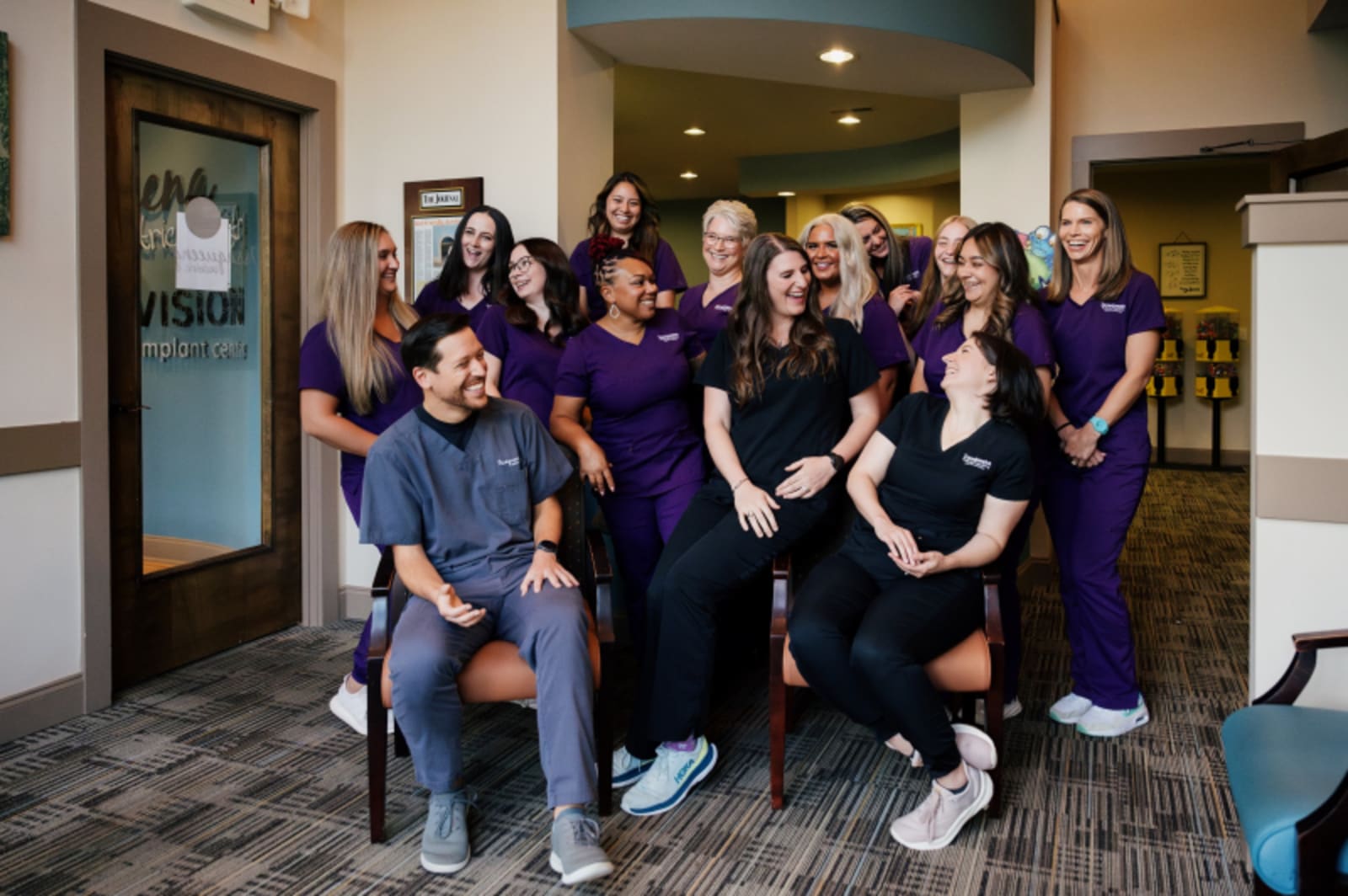
Issaqueena is the only pediatric dental specialty practice in Oconee County. Every dentist on our team is board-certified, meaning your child is always seen by a specialist who understands growing teeth, nervous kids, and when to step in.
- Pediatric dentistry and orthodontics are part of the same practice, so your child's care stays connected from checkups through braces.
- Your child already knows the office, the staff, and the arcade games in the waiting room. Nothing feels unfamiliar when the conversation turns to braces.
- Families in Seneca and Clemson don't need to drive across the county to see a separate specialist. If you're closer to Greenville, our Piedmont location on SC-153 is the easier trip.
- We also see children with special health care needs and offer sedation options for kids who need extra support.
Dr. Horton has believed it since she opened the doors: a tooth is a tooth no matter how small. That goes for a baby molar and a twelve-year-old's front tooth alike, and it's why we want to be part of your child's story well before the first cavity ever shows up.
Real Questions, Straight Answers
My Child Already Sees You for Checkups. Do I Need a Referral for Braces?
No referral needed. If your child's pediatric dentist spots something during a routine visit, they connect you to our orthodontist directly.
What Age Should My Child Have a First Orthodontic Evaluation?
Age seven is the standard recommendation. By then, enough permanent teeth are in to see how the bite is developing and whether early action makes sense.
Is the Orthodontic Consultation Really Complimentary?
Yes. Our orthodontist reviews your child's teeth and bite, then explains what he sees in plain language. No cost, no obligation, whether or not braces are the next step.
Do Braces Hurt?
The placement itself is painless. Teeth may feel sore for a day or two after placement and after each adjustment. Soft foods and over-the-counter pain relief are usually all that's needed.
Can My Child Still Play Sports or an Instrument?
Yes. We recommend a mouthguard for contact sports and can point you to the right kind. Kids in band typically need a week or two to adjust, then play normally.
What If My Child Isn't Ready Yet?
We will always be upfront with you. If more permanent teeth need to come in first, we explain the timeline and monitor progress at regular visits so nothing gets missed.
Start With a Conversation, Not a Commitment
Share what you've been noticing and we'll take it from there. Our team includes pediatric dentists, a general dentist, and an in-house orthodontist, so your child sees the same familiar faces whether they're coming in for a cleaning or a braces consultation. If your child gets nervous at visits, sedation options are available and we're happy to talk through what works best for them.
We'd love to be your child's dental home, from baby teeth through braces and everything in between. We're open Monday through Thursday from 8:00 a.m. to 5:00 p.m. and Friday from 8:00 a.m. to 1:00 p.m. Reach the office closest to you:
- Seneca: (864) 482-7900
- Clemson: 620 Issaqueena Trail, Clemson, SC, (864) 722-9013
- Piedmont: 3453 South Carolina 153, Piedmont, SC, (864) 625-1283
We can’t wait to meet you
Call or request an appointment online to set up your first visit. We’ll be in touch soon.
