

Tooth-Colored Fillings for Kids | Issaqueena Pediatric
Hearing "your child has a cavity" can send a parent's mind straight to worst-case scenarios. Will it hurt? Will they cry? Did I do something wrong? Those questions are completely normal, and a tooth-colored filling is one of the most routine visits we do at Issaqueena Pediatric Dentistry and Orthodontics.
We remove the decay, fill the spot with a material that matches your child's tooth, and the cavity stops there. Your child chews comfortably again, the tooth looks natural, and most kids walk out wondering what they were worried about. This page walks you through exactly what happens, what the material is, and how we help nervous kids get through it calmly.
Call us in Seneca at (864) 482-7900, Clemson at (864) 722-9013, or Piedmont at (864) 625-1283, and we will help you figure out what comes next.
The Short Version
- Ask us to show you the spot. We will point out exactly where the cavity is and why it needs filling now, or why we would rather watch it a little longer.
- Most fillings are done in one visit. If your child is anxious or needs a little extra time, just let us know when you call and we will plan accordingly.
- Stick to soft foods for an hour or two after the visit while the numbness wears off.
- Have questions about cost or insurance? Call us with your plan information and we will walk you through what to expect before treatment day.
Here Is Exactly What Happens During a Filling Visit

For a lot of families, the worry is not the tooth. It is the chair. Parents who had a rough dental visit as a kid carry that memory for decades, and nobody wants to pass it on. Here is how the appointment actually goes.
1. Getting Comfortable Before We Start
Your child comes back, meets the team, and gets a few minutes to settle in before anything happens. We walk through each step in words a kid can picture. If your child seems nervous, we slow down rather than push through.
2. Numbing the Tooth
We get the area completely numb before we begin, so your child does not feel the work. They can raise a hand to pause at any point, and we always honor that. If your child needs extra support to get through the visit comfortably, we have options for that too.
3. Removing the Decay
We clean out the soft, decayed part of the tooth and leave the healthy part alone. This stops the cavity from spreading any further.
4. Placing and Shaping the Filling
The tooth-colored resin goes in soft, so we can shape it to match the natural ridges and grooves of your child's tooth. A small blue light then hardens it in seconds.
5. Checking the Bite
We ask your child to bite down and tell us how it feels, then adjust until it feels completely natural. Then they get to pick a prize.
The Material Does More Than Blend In
Tooth-colored fillings are made from a material called composite resin. We shade-match it to your child's tooth so that when they smile, laugh, or open wide for a bite of pizza, there is no silver flash and no dark spot.
The benefits go beyond appearance:
- It bonds directly to the tooth. That means we remove only the decayed part and keep as much healthy tooth as possible.
- No metal. Composite resin contains no metal at all, which is a relief for parents who prefer to keep it that way.
- It seals the tooth. A well-placed filling keeps bacteria from getting back into that spot.
- Chewing feels normal again. A sensitive tooth your child has been avoiding goes back to being just a tooth.
- Kids are not self-conscious about it. Older kids notice silver fillings in their own mouth and in their friends'. Composite takes that worry off the table.
- It protects what is coming next. Treating decay in a baby tooth helps protect the permanent tooth growing in underneath.
What We Look at Before We Recommend a Filling
A tooth-colored composite filling works well for most cavities, in both baby teeth and permanent teeth, as long as the decay has not gone too deep. Children of nearly any age can have one placed, including toddlers, because we adjust our pace based on the child, not the procedure.
Not every dark spot needs filling right away, and we will tell you plainly where your child stands. Here is what we look at:
- Whether the decay has moved past the outer enamel into the softer layer beneath it (called dentin)
- Whether the tooth is a baby tooth close to falling out or one with years of use ahead
- Whether your child has any pain, sensitivity, or signs of infection
- How the rest of the mouth looks and what your child's overall cavity risk is
Sometimes a filling is not enough. If decay has reached the nerve or most of the tooth structure is gone, we may recommend a crown or an extraction instead, and we will explain exactly why. If your child has a hard time sitting through treatment, we have sedation options and we are happy to walk you through them before the appointment.
A Few Things to Know Before and After the Visit
Before the Visit
Keep the conversation short and upbeat. Tell your child they are going to see a friendly team who helps keep teeth strong, and leave out the details. Words like shot, drill, and pain tend to plant worries that were not there before. Bring a comfort item if your child has one, and let the front desk know at check-in if your child is anxious so the team can slow the pace from the start. For a particularly nervous child, ask about a happy visit first: a no-treatment trip where your child simply meets Dr. Horton, Dr. Frye, Dr. Staines, and the rest of our team and gets comfortable in the chair.
After the Visit
- Plan on soft foods until the numbness wears off, usually an hour or two.
- Watch for cheek and lip biting. Kids sometimes chew on the numb area without noticing.
- Brush and floss as usual that same night.
- Some kids notice cold sensitivity for a day or two. It fades on its own.
- Keep up with cleanings and checkups. A filling takes care of one spot, and regular visits catch anything new while it is still small.
A few simple habits after the visit go a long way. Everything else is on us.
Here Is What You Actually Get When You Walk Through Our Door
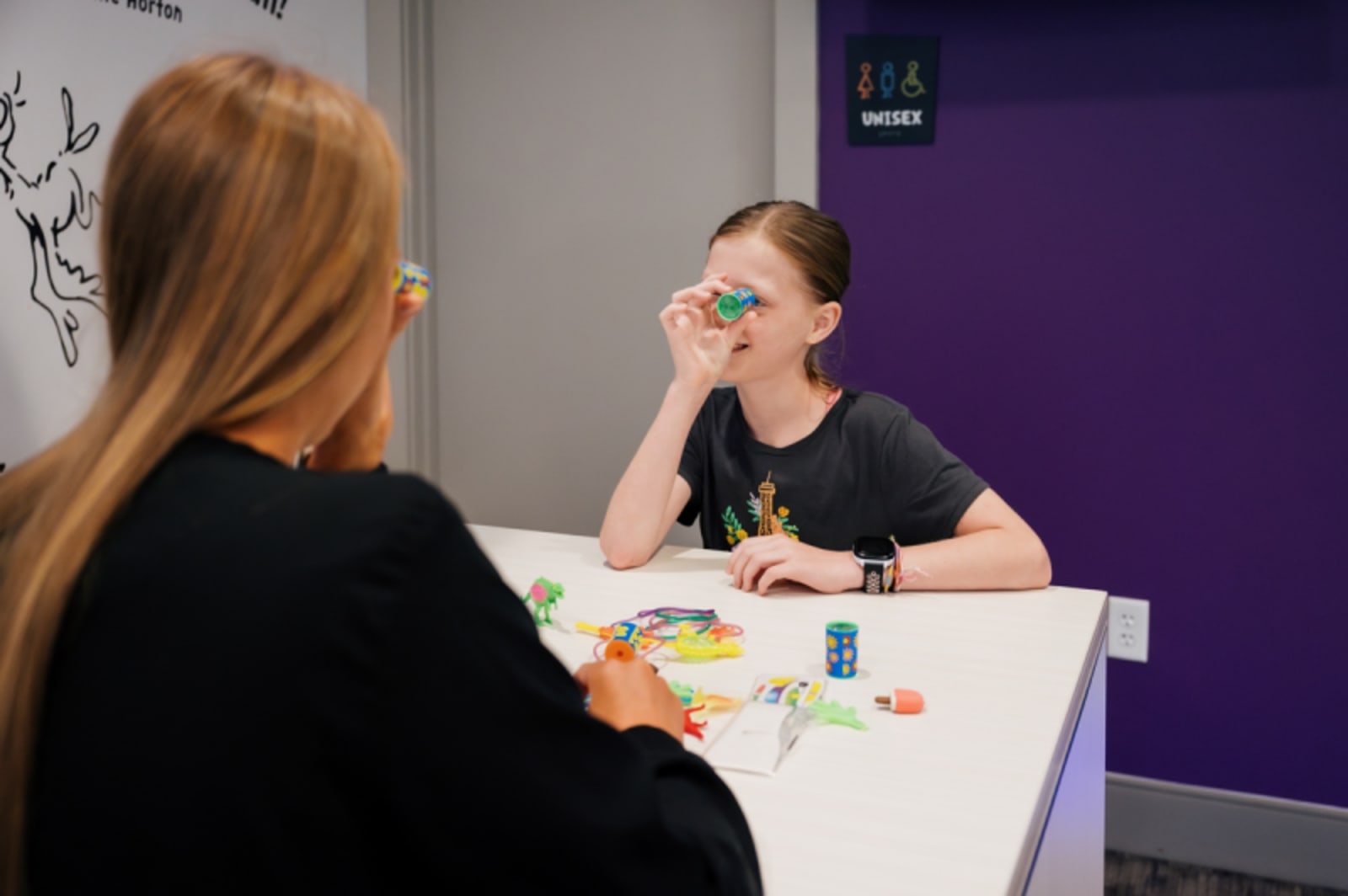
Issaqueena is the only pediatric dental specialty practice in Oconee County, and that difference shows up in ways families notice from the very first visit.
- Board-certified pediatric dentists, not general dentists who also see kids. Dr. Horton, Dr. Frye, and Dr. Staines each completed a residency focused entirely on children's dental care, including kids with special health care needs.
- Technology that makes the visit shorter and gentler. Our tools include digital radiography, intraoral cameras so you can see exactly what we see, cone beam imaging, and soft tissue lasers.
- Care that grows with your child. Pediatric dentistry and orthodontics are both under one roof, so you are not starting over somewhere new when braces come up. Locations in Seneca, Clemson, and Piedmont mean most Upstate families have a short drive.
- An office kids actually want to come back to. Arcade games in the waiting room, a team that keeps its voice calm, and a belief that a tooth is a tooth no matter how small.
A cavity is a small thing, and the appointment to take care of it should feel that way too. We work hard to make sure it is a calm, ordinary morning rather than a memory your child carries for years.
Real Questions, Straight Answers
Does My Child Have to Be Sedated for a Filling?
Most children do not need sedation for a routine filling. We typically save it for very young children, highly anxious patients, or appointments involving several teeth, and we always talk it through with you before moving forward.
Will the Filling Hurt?
No. The tooth is fully numb before we begin, so your child will not feel the work. Some kids notice mild cold sensitivity for a day or two afterward, and the numb feeling in the lip and cheek fades within a couple of hours.
Do Baby Teeth Really Need Fillings if They Will Fall Out Anyway?
Yes. Baby teeth hold space for the permanent teeth growing in behind them. Untreated decay can spread to the nerve and damage the adult tooth underneath, so catching it early is almost always the easier choice.
How Long Do Tooth-Colored Fillings Last?
A well-placed composite filling can last the full remaining life of a baby tooth and many years in a permanent tooth. How long it lasts depends on where the filling sits and your child's daily brushing and flossing habits. We check every filling at each routine visit.
Will the Filling Be Noticeable?
Composite resin is shade-matched to your child's tooth, so it blends in naturally. It is not a perfect replica of enamel, but most parents cannot spot it once it is placed.
What if My Child Will Not Open Their Mouth?
We slow down, try a different approach, or reschedule with a better plan in place. We would rather take a few gentle attempts than rush a child who is not ready.
Let's Take Care of That Tooth Together

A cavity is not a reflection of your parenting. Early childhood decay is the most common condition kids face, and some of it simply is not preventable. Bring your child in and we will use a small camera to show you the tooth on a screen before we talk about next steps. You will see exactly what we see, hear why we would fill it now or watch it a little longer, and leave with a clear plan.
- Dr. Horton, Dr. Frye, and Dr. Staines see families in Clemson, Seneca, and Piedmont
- Monday through Thursday, 8:00 a.m. to 5:00 p.m. and Friday, 8:00 a.m. to 1:00 p.m.
- Seneca: (864) 482-7900 | Clemson: (864) 722-9013 | Piedmont: (864) 625-1283
We would love to be your child's dental home. Call the location nearest you and we will handle everything from there.
We can’t wait to meet you
Call or request an appointment online to set up your first visit. We’ll be in touch soon.
